
Table of Contents
Introduction
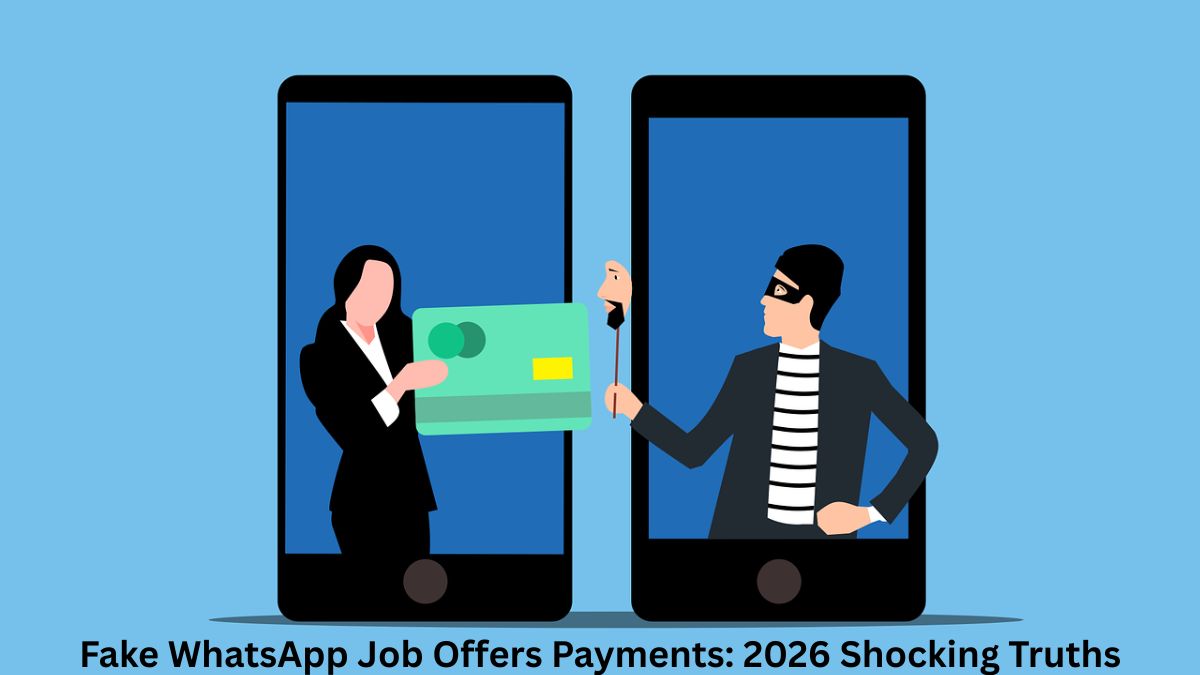
Fake WhatsApp job offers payments usually start with small payment requests, not big demands. Scammers ask for small amounts that feel harmless and affordable to lower your guard. This approach is intentional and designed to lower your guard.
Fake WhatsApp job offers payments are a common tactic used by scammers to test trust before demanding more money from victims.
If you are already receiving suspicious messages, read our detailed guide on how to tell if a WhatsApp job offer is fake before responding.
Understanding why fake WhatsApp job offers request small payments can help you recognize scams early and protect yourself from financial loss and emotional stress.
Why Fake WhatsApp Job Offers Payments Are a Red Flag
Fake WhatsApp job offers payments are designed to look harmless at first, making job seekers less likely to question the request.
Scammers know that people hesitate less when the amount seems minor. A small fee often feels reasonable, especially when the job promises easy work and quick earnings. This is why fake WhatsApp job offers payments should always be treated as a serious warning sign.
Common Reasons Scammers Use to Ask for Payment
Fake recruiters often justify payment requests by calling them:
- Account activation fees
- Registration or verification charges
- Training or onboarding costs
- System access or ID confirmation fees
Legitimate employers never charge candidates to get hired. Any job that asks for payment before you start working is not genuine.
Real Examples of Fake WhatsApp Job Offers Asking for Payment
- ₹500 / $5 “activation fee
- Wallet unlocking
- Telegram/WhatsApp task system
- Crypto or Easypaisa/JazzCash requests
How Fake WhatsApp Job Offers Use Payment Psychology
Small payment scams are based on manipulation rather than force. Once a person sends money, even a small amount, they become emotionally invested.

Why Victims Struggle to Walk Away After Paying
After paying once, victims may feel:
- Embarrassed to stop
- Afraid of losing the opportunity
- Hopeful that payment will lead to real income
Scammers exploit these emotions to demand additional payments.
Step-by-Step Fake WhatsApp Job Offers Payment Scam Pattern
Most fake WhatsApp job offers follow a predictable sequence.
Step-by-Step Scam Pattern
- A friendly message introduces a job opportunity
- Simple tasks and attractive earnings are explained
- A small payment is requested to “start work”
- New fees appear due to delays or technical issues
- The scammer stops responding
Many of these patterns are also explained in our article on common fake job offer scams you must avoid.
Once this stage is reached, recovering lost money is extremely difficult.
Why Legitimate Companies Never Ask for Payment
Real companies make money from their services or products — not from job applicants. Recruitment costs are part of normal business operations.
The Truth About Training and Certification Fees
While some training programs may charge fees, they are:
- Clearly optional
- Offered through official platforms
- Never required to secure a job
If payment is required to keep a job offer active, the offer is fake.
How to Protect Yourself From Fake WhatsApp Job Offers Payment Scams
Google also explains how to avoid online job scams, warning users to be cautious of recruitment messages received through messaging apps like WhatsApp.
According to the job scams and fake recruitment offers guidelines published by the U.S. Federal Trade Commission (FTC), any job that asks for upfront payment is a common scam tactic. Staying safe requires caution and verification.
You should also learn how to know if a job offer is real or fake to avoid falling for similar recruitment scams
Practical Safety Tips
- Never send money to recruiters
- Avoid job offers that exist only on WhatsApp
- Verify companies through official websites
- Ignore urgency and pressure tactics
If a recruiter disappears after you refuse to pay, you have avoided a scam. Fake WhatsApp job offers payments are never legitimate, no matter how small the amount seems
Why do fake WhatsApp job offers ask for small payments?
Is it normal for a WhatsApp recruiter to ask for fees?
What are common payment excuses used in WhatsApp job scams?
Can real companies recruit through WhatsApp?
What should I do if I already paid a WhatsApp job scammer?
How can I verify a WhatsApp job offer is real?
Are small payment job offers always scams?
Final Thoughts
Fake WhatsApp job offers payments continue to rise as scammers exploit job seekers through messaging apps like WhatsApp. Fake WhatsApp job offers succeed because they feel informal, friendly, and low-risk. Small payment requests are not harmless — they are a deliberate strategy to test trust and manipulate victims.
Remember, fake WhatsApp job offers payments are never part of a legitimate hiring process. The safest rule is simple: if a job asks for money, walk away immediately. Real jobs pay you — not the other way around.